
Houston's subtropical climate is a mold factory. Here's how IICRC-certified specialists recommend Houston homeowners prevent mold growth despite year-round humidity.
Houston's climate is brutal for mold prevention. With average relative humidity above 75%, temperatures that rarely drop below mold's growth threshold (below 40°F), and frequent heavy rain events, Houston homes face mold pressure that most of the country never experiences.
Understanding Houston's Mold Challenge Mold requires three things to grow: moisture, a food source (virtually any organic material), and the right temperature. Houston provides all three year-round. The good news: moisture is the only factor you can control. Eliminate excess moisture, and you eliminate mold.
Control Indoor Humidity The most important mold prevention step for Houston homes is maintaining indoor relative humidity below 60% — ideally between 45-55%. Your HVAC system dehumidifies as it cools, but it must be properly sized and maintained. Signs that your HVAC isn't keeping up: condensation on windows, musty odors when the system runs, or a consistently humid feeling indoors.
Address Roof and Foundation Issues Promptly Roof leaks and foundation cracks are direct moisture pathways. Even a small roof leak can saturate insulation and framing before appearing on your ceiling — by the time you see the stain, mold may already be growing. Inspect your attic annually, particularly after major storms.
Crawl Spaces: Houston's Hidden Mold Hotspot If your home has a crawl space, it's in constant contact with Houston's notoriously humid soil and air. Vapor barriers and crawl space encapsulation are essential — not optional — in Houston's climate. An unsealed crawl space actively pumps moisture into your home through the stack effect.
After Water Events Any water intrusion — flooding, burst pipes, appliance leaks — must be professionally dried within 48 hours to prevent mold growth. Consumer fans and dehumidifiers are inadequate for structural drying. If your home has been wet, call a professional restoration company for assessment even if surfaces feel dry.
The best mold prevention is a prompt professional response to every water event. As a full-service water damage restoration company in Houston, Rhino ensures every moisture event is completely dried to IICRC standards. If mold has already taken hold despite your best efforts, our certified mold remediation team provides IICRC S520-compliant remediation with post-treatment clearance testing to confirm your home is safe.
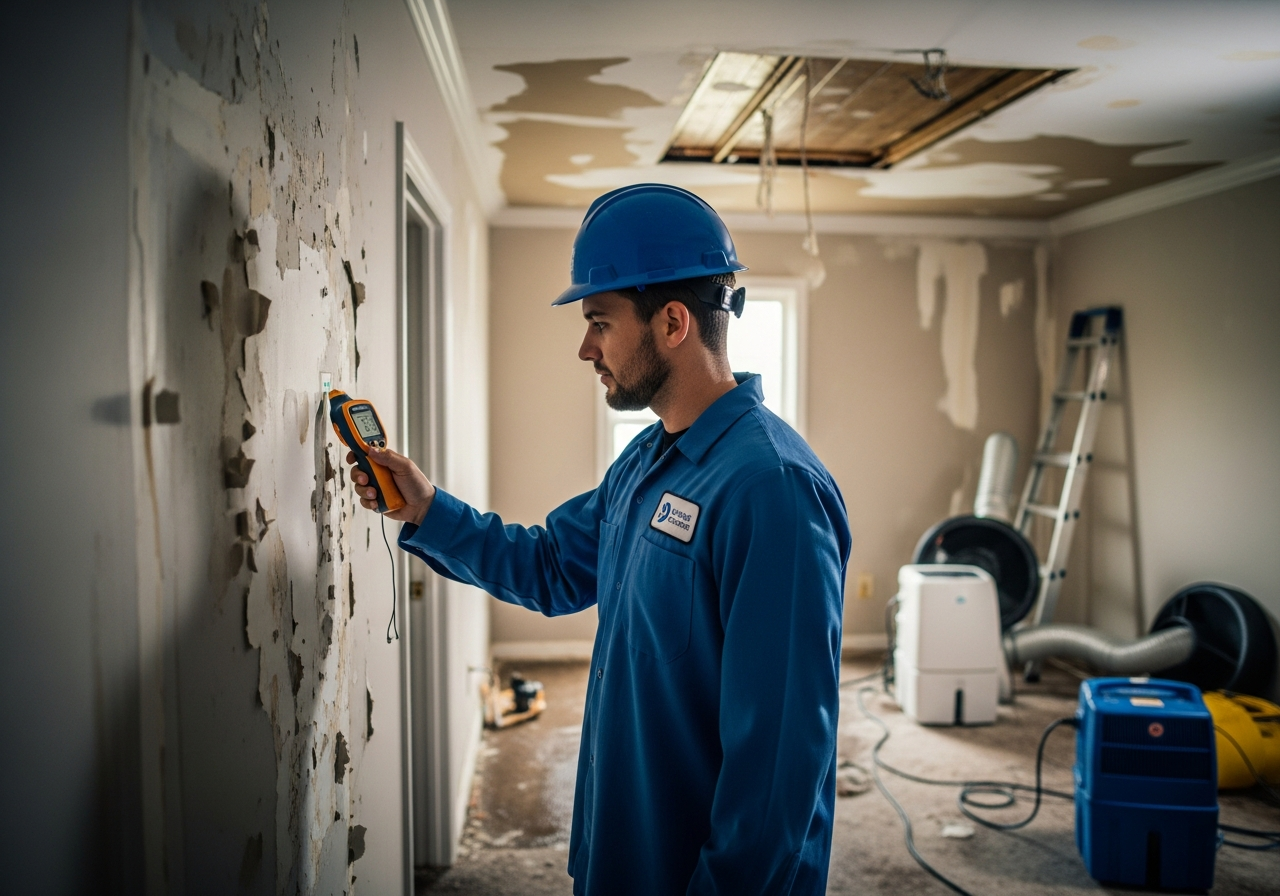
Rhino Water Damage Restoration Houston's IICRC-certified technicians use professional moisture meters and thermal cameras on every job.
Dr. Patricia Williams, Mold Remediation Specialist
Member of the Rhino Water Damage Restoration Houston team. Our writers are active IICRC-certified professionals with hands-on experience in Houston water damage restoration, mold remediation, and property recovery.
Need Water Damage Help in Houston?
Rhino Water Damage Restoration Houston provides 24/7 emergency service with a guaranteed 45-minute response time across all of Harris County and the greater Houston metro. IICRC-certified technicians, direct insurance billing, free estimates.